



News:
Spotlight Content
Posted: December 31, 2024
2024 Year in Review: Harry Delany, RM Friedland
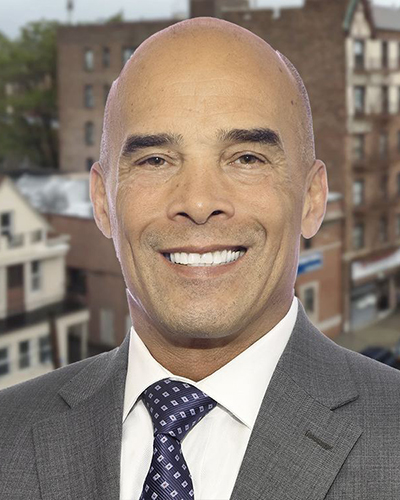
Associate Broker
RM Friedland
What noteworthy transactions or deals from this year best exemplified key market trends or shifts?
The number of closed transactions in 2024 started slow but gained momentum mid-year. While transaction volumes remain below active market levels, listings are increasing as year-end approaches. The private investor market seems to be picking up a bit of steam: Investment activity is beginning to become more active, after a couple of years of depressed transaction volume. Many of the transactions were closed all cash, due to the high mortgage interest rates, which have not shifted with the Fed rate cuts.
What emerging trends will drive investment and development in 2025?
The real estate market is poised for an upturn in 2025. The market, however, is still in recovery. Investors with cash are seeking realistic prices, recognizing longer timelines for profits. Some consider selling at lower returns to explore alternative investments or asset types. While interest rate cuts haven’t yet significantly reduced mortgage rates, they hint at long-term recovery. In the office market, leasing activity is rising in quality buildings with strong amenities, while older properties still sit with high vacancies, awaiting large tenants or conversions.
Tags:
Spotlight Content
MORE FROM Spotlight Content

2026 Women in Commercial Real Estate: Deborah Smith, The CenterCap Group
What leadership lesson has made the greatest impact on your career? Leadership isn’t about being the smartest person in the room; it’s about creating an environment where the best ideas win.




.png)



Columns and Thought Leadership

Properly serving a lien law Section 59 Demand - by Bret McCabe
Many attorneys operating within the construction space are familiar with the provisions of New York Lien Law, which allow for the discharge of a Mechanic’s Lien in the event the lienor does not commence an action to enforce following the service of a “Section 59 Demand”.

2026 Developing Queens: Long Island Board of Realtors advances commercial growth and advocacy in Queens
The Long Island Board of Realtors (LIBOR) Commercial Network continues to play a key role in advancing opportunities and strengthening the commercial real estate landscape across Queens. Through targeted programming and global outreach

CRE Guide Featured Company: Merritt Environmental Consulting Corp.
Merritt Environmental Consulting Corp. (MECC) was established in June of 2009 after being part of a larger engineering firm for almost 20 years. The focus of the company is to assist lending institutions, attorneys, real estate investors, and property owners with environmental concerns. Today, MECC has offices in New York, Florida, and Vermont and has grown into a regional consulting firm serving clients along the East Coast.

From vacancy to vitality: How adaptive reuse is reshaping Long Island’s CRE landscape - by Andrea Tsoukalas Curto
Adaptive reuse has become one of the most important conversations in commercial real estate today. Long Island has a large inventory of aging retail, office and industrial
September Promotion
