



News:
Spotlight Content
Posted: September 24, 2024
2024 Women in CRE: Diana Martinez, Capitol Fire Sprinkler
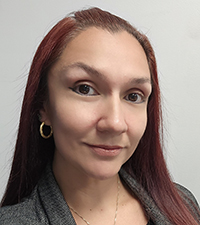
Operations Coordinator
Capitol Fire Sprinkler
Who inspires you most? What qualities do they possess that inspire you?
I know I’m supposed to say this because he’s my boss and he will read this, but in all honesty, I am inspired by Adam Levine (president of Capitol Fire Sprinkler). He’s an active and engaged leader who is always available to offer support. His deep knowledge of fire protection and his commitment to continuous learning make him an excellent mentor. Adam’s passion for the industry makes the work feel important, accessible, and even fun.
Which professional organization(s) would you recommend to women just starting out in your industry?
For women entering architecture, I highly recommend joining the American Institute of Architects (AIA). As a member, I’ve found it invaluable for networking, professional development, and staying current with industry trends. I also suggest Vistage, a business coaching group that Capitol Fire Sprinkler has invested in for my development. Both organizations have greatly contributed to my growth professionally.
What are the most important factors young women should consider when choosing a firm to build their career with?
From my experience, it is crucial to find a company that genuinely trusts and believes in your potential, just as Capitol Fire Sprinkler has done for me. Look for leaders and mentors committed to supporting your growth and success. Capitol Fire Sprinkler, for instance, was flexible with my schedule as I pursued my degree in architecture, encouraging my professional and personal development. Having a supportive environment makes all the difference in building a rewarding career.
What recent project, transaction, or accomplishment are you most proud of?
Capitol Fire Sprinkler projects are always unique and challenging, and I take pride in making a positive impact on each one to ensure success. I am particularly proud of resolving complex Department of Building issues at 76 Madison Avenue and a Best Buy location in Queens. These projects had long-standing challenges, but through teamwork and persistence, we navigated the obstacles and cleared all issues. What I enjoy most is how we come together as a team at Capitol Fire Sprinkler to tackle problems efficiently and effectively.
Tags:
Spotlight Content
MORE FROM Spotlight Content
Participate in Developing New York Featuring Westchester County - November 24, 2026
Choose how you’d like to participate in this edition of NYREJ’s Developing New York series featuring Westchester County.




.png)

 (2).gif)

Columns and Thought Leadership

2026 Developing Long Island: ERG Commercial Real Estate launches its new Retail Leasing division
North Hempstead, NY ERG Retail Leasing is the dedicated leasing division of ERG Commercial Real Estate, an established full-service commercial real estate brokerage for over 35 years.

CRE Guide Featured Company: Merritt Environmental Consulting Corp.
Merritt Environmental Consulting Corp. (MECC) was established in June of 2009 after being part of a larger engineering firm for almost 20 years. The focus of the company is to assist lending institutions, attorneys, real estate investors, and property owners with environmental concerns. Today, MECC has offices in New York, Florida, and Vermont and has grown into a regional consulting firm serving clients along the East Coast.

From vacancy to vitality: How adaptive reuse is reshaping Long Island’s CRE landscape - by Andrea Tsoukalas Curto
Adaptive reuse has become one of the most important conversations in commercial real estate today. Long Island has a large inventory of aging retail, office and industrial

2026 Developing Queens: Long Island Board of Realtors advances commercial growth and advocacy in Queens
The Long Island Board of Realtors (LIBOR) Commercial Network continues to play a key role in advancing opportunities and strengthening the commercial real estate landscape across Queens. Through targeted programming and global outreach