



News:
Spotlight Content
Posted: December 28, 2021
2021 Year in Review: Wojciech Jackowski, Offit Kurman
Name: Wojciech Jackowski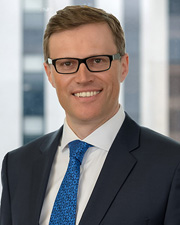
Job Title: Principal and Chair of the Commercial Litigation Practice (North)
Company Name: Offit Kurman
What was the biggest lesson you learned while working during the pandemic?
As legal professionals representing real estate owners and design professionals, we’ve contended with the implications of delayed justice for over a year, while balancing the safety of clients, jurists, court personnel, and lawyers. However, the pandemic presented an opportunity few could have foreseen—a chance to modernize an archaic system, riddled with decades-old rules and practices, previously resistant to internet transformation. Adaptability and resiliency were the two main takeaways. We attorneys seamlessly transitioned into the world of virtual hearings and proceedings, with all their awkward moments, while providing outsized time-savings for clients. We now consider them the mainstays. Courts will likely continue to upgrade their antiquated rules and infrastructure to accommodate more virtual attendance and participation.
How has your working environment changed over the last year?
During the pandemic, Offit Kurman followed through with its planned office move to accommodate significant growth in the New York market. In September 2020, we moved into a brand new office space in the IBM building equipped to handle remote proceedings and multiple events simultaneously. Since COVID measures have eased, we can now enjoy our beautiful offices and host client meetings and events. Throughout this time, our robust IT infrastructure afforded us a seamless transition from a daily commuter, to a remote, occasionally globetrotting, working environment, while preserving data integrity and security for our clients’ information.
What was your greatest professional accomplishment or most notable project, deal, or transaction in 2021?
Representing owners and developers of a portfolio of commercial properties, which encountered significant pressures with rent under- or non-paying commercial tenants or early terminations during the pandemic, and developing a strategy for eliminating long-term tenancies without reverting to the court system in suspension mode during the pandemic.
What are your predictions for your industry in 2022?
Increased public funding and the Infrastructure Bill will ensure continued growth in the real estate and construction industries in 2022 and beyond, particularly on publicly-funded projects, but, the ongoing labor shortage, ramping up inflationary pressure and supply chain issues will lead to construction project delays and are likely to trigger time-impact pressures for builders, developers, design professionals, contractors and other industry stakeholders. Prudent macro contract drafting strategy, emphasis on inter-party communications on the project and guidance through various alternatives to litigation, will likely accompany us as we interact with our clients next year and in the years to come.
Tags:
Spotlight Content
MORE FROM Spotlight Content

NYREJ's 2026 Developing Long Island Spotlight is here!
This spotlight showcases projects completed and currently under construction across Long Island as well as highlights improvements made to the region through Industrial and Economic Development Agencies and BIDs.

.png)



Columns and Thought Leadership

CRE Guide Featured Company: Merritt Environmental Consulting Corp.
Merritt Environmental Consulting Corp. (MECC) was established in June of 2009 after being part of a larger engineering firm for almost 20 years. The focus of the company is to assist lending institutions, attorneys, real estate investors, and property owners with environmental concerns. Today, MECC has offices in New York, Florida, and Vermont and has grown into a regional consulting firm serving clients along the East Coast.

2026 Developing Queens: Long Island Board of Realtors advances commercial growth and advocacy in Queens
The Long Island Board of Realtors (LIBOR) Commercial Network continues to play a key role in advancing opportunities and strengthening the commercial real estate landscape across Queens. Through targeted programming and global outreach

From vacancy to vitality: How adaptive reuse is reshaping Long Island’s CRE landscape - by Andrea Tsoukalas Curto
Adaptive reuse has become one of the most important conversations in commercial real estate today. Long Island has a large inventory of aging retail, office and industrial

Properly serving a lien law Section 59 Demand - by Bret McCabe
Many attorneys operating within the construction space are familiar with the provisions of New York Lien Law, which allow for the discharge of a Mechanic’s Lien in the event the lienor does not commence an action to enforce following the service of a “Section 59 Demand”.