


 (2).gif)
News:
Spotlight Content
Posted: December 20, 2016
2016 Year in Review: James Barnes, McCoys Upholstery Group Inc.
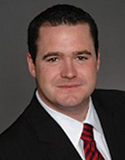 James Barnes, McCoys Upholstery Group Inc.
Name & Title: James Barnes, Partner
Company Name: McCoys Upholstery Group Inc. “Since 1948”
What was your most notable project, deal, transaction or professional achievement in 2016?
McCoys Upholstery was engaged to restore the priceless seating and altar furnishings at Brooklyn’s historic St. James Pro-Cathedral Basicilla. Built in 1903 and designed by George H. Streeton in the Neo-Georgian style, the Basicilla on Jay St. & Cathedral Place is the seat of the Brooklyn Diocese, home to the Bishop of Brooklyn. Irreplaceable alter seating and furnishings had been worn from over a century of use.
McCoys restoration upholsterers meticulously transformed the Bishops altar seating area with green velvet and hand sewn embroidered gold crosses on each back rest, enhancing the cathedral’s appearance without interruption of liturgical services.
What project, transaction, market trend or product had the greatest impact on your industry this year?
The incoming presidential administration will be focused on incentivizing American companies to create jobs, manufacturing and trade with other U.S. firms. Given that a significant number of products aimed at the top-tier commercial furniture industry -- for hotels, restaurants, clubs and office buildings -- are from overseas, this pending policy provides greater reason to reexamine product sourcing practices. Expect to see an increase in U.S. based firms seeking domestic merchants and quality local upholstery craftsman, from New York based firms such as McCoys, to create and execute designs for corporate board rooms, office and hotel lobbies and fine dining establishments.
What emerging trends will drive investment and development in 2017?
New York is the #1 travel destination in the U.S. and its hotel customers expect the finest quality and experience. The visual presentation of lobbies and restaurant facilities at widely respected hotels presents a statement about a quality guest experience. More top-tier New York hotels, restaurants and clubs have moved from the cycle of importing low end knock-off furnishings, as designers and facility managers see local commercial upholstery craftsmen, like McCoys, add years of new life and luster to existing high-end furnishings. The booming trend saves time and millions for New York’s quality and budget-focused hospitality industry leaders.
Tags:
Spotlight Content
MORE FROM Spotlight Content

NYREJ's 2026 Developing Long Island Spotlight is here!
This spotlight showcases projects completed and currently under construction across Long Island as well as highlights improvements made to the region through Industrial and Economic Development Agencies and BIDs.

.png)

Quick Hits


Columns and Thought Leadership

2026 Developing Queens: Long Island Board of Realtors advances commercial growth and advocacy in Queens
The Long Island Board of Realtors (LIBOR) Commercial Network continues to play a key role in advancing opportunities and strengthening the commercial real estate landscape across Queens. Through targeted programming and global outreach

From vacancy to vitality: How adaptive reuse is reshaping Long Island’s CRE landscape - by Andrea Tsoukalas Curto
Adaptive reuse has become one of the most important conversations in commercial real estate today. Long Island has a large inventory of aging retail, office and industrial

Properly serving a lien law Section 59 Demand - by Bret McCabe
Many attorneys operating within the construction space are familiar with the provisions of New York Lien Law, which allow for the discharge of a Mechanic’s Lien in the event the lienor does not commence an action to enforce following the service of a “Section 59 Demand”.

CRE Guide Featured Company: Merritt Environmental Consulting Corp.
Merritt Environmental Consulting Corp. (MECC) was established in June of 2009 after being part of a larger engineering firm for almost 20 years. The focus of the company is to assist lending institutions, attorneys, real estate investors, and property owners with environmental concerns. Today, MECC has offices in New York, Florida, and Vermont and has grown into a regional consulting firm serving clients along the East Coast.