


 (2).gif)
News:
Spotlight Content
Posted: December 20, 2016
2016 Year in Review: Howard Stern, Law Office of Howard Stern
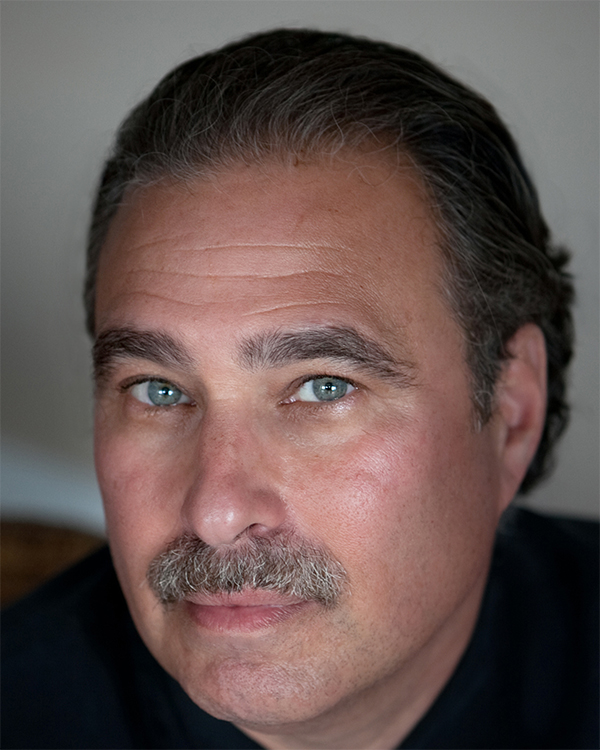 Howard Stern, Law Office
of Howard Stern
Name & Title: Howard Stern, Esq.
Company Name: Law Office of Howard Stern
What was your most notable project, deal, transaction or professional achievement in 2016?
The recent buy-out of a Senior Citizen from her Rent Regulated Luxury Apartment (high floor, working fireplace and two terraces) in Manhattan’s Upper East Side on terms favorable to my client and respecting and factoring in all the tenant’s needs. Negotiating the deal rather quickly, with the buy-out reflecting the advanced age of the tenant, other important immediate housing needs and the unique qualities of the apartment resulted in a reflection of the old proverb that “the best settlement is one where each side is unhappy.” Operating with the utmost professional courtesy on both sides enabled the matter to be handled expeditiously.
What project, transaction, market trend or product had the greatest impact on your industry this year?
The downturn in the upper end luxury market has led to more productive negotiations when representing purchasers. Sellers, many of whom are builders, can no longer present their sale as a “take it or leave it” sale, as many purchasers have pulled back and chosen to “leave it” more so than in the past.
How will you be supercharging your productivity in 2017?
I have gone back to the old-fashioned, excellent productivity tool of calling and speaking to my clients directly on the telephone instead of relying on emails and texts.
Nothing is more important that the inflection or modulation in a person’s voice to better understand what needs to be discussed further or which needs no more discussion. Emails are informal and lack the ability to understand what a client truly means. There are no emoji’s that I am aware of that reflect cynicism, being snide, or other forms of concern or attitude in an email.
I find more can be accomplished in an actual telephone call than in a series of emails, which take longer and are easily misinterpreted by either and, many times, both sides.
What emerging trends will drive investment and development in 2017?
I believe the new Administration will be more friendly to Owners and Lenders and there will be a major change in the tax structure, as well as a loosening of the mortgage purse strings. Loan rates have already risen since the election and The Fed is talking rate hike, but, in my opinion, if profits will be there, purchasers will gladly take slightly higher interest loans, as they will be rewarded in the short and long terms with profits as opposed to stagnation.
Tags:
Spotlight Content
MORE FROM Spotlight Content

NYREJ's 2026 Developing Long Island Spotlight is here!
This spotlight showcases projects completed and currently under construction across Long Island as well as highlights improvements made to the region through Industrial and Economic Development Agencies and BIDs.


.png)

Quick Hits
 (2).gif)

Columns and Thought Leadership

2026 Developing Queens: Long Island Board of Realtors advances commercial growth and advocacy in Queens
The Long Island Board of Realtors (LIBOR) Commercial Network continues to play a key role in advancing opportunities and strengthening the commercial real estate landscape across Queens. Through targeted programming and global outreach

From vacancy to vitality: How adaptive reuse is reshaping Long Island’s CRE landscape - by Andrea Tsoukalas Curto
Adaptive reuse has become one of the most important conversations in commercial real estate today. Long Island has a large inventory of aging retail, office and industrial

Properly serving a lien law Section 59 Demand - by Bret McCabe
Many attorneys operating within the construction space are familiar with the provisions of New York Lien Law, which allow for the discharge of a Mechanic’s Lien in the event the lienor does not commence an action to enforce following the service of a “Section 59 Demand”.

CRE Guide Featured Company: Merritt Environmental Consulting Corp.
Merritt Environmental Consulting Corp. (MECC) was established in June of 2009 after being part of a larger engineering firm for almost 20 years. The focus of the company is to assist lending institutions, attorneys, real estate investors, and property owners with environmental concerns. Today, MECC has offices in New York, Florida, and Vermont and has grown into a regional consulting firm serving clients along the East Coast.