


 (2).gif)
News:
Spotlight Content
Posted: December 22, 2015
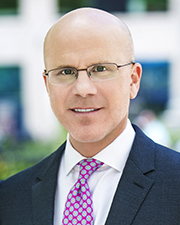
2015 Year in Review - Lee Wasserman
 Lee Wasserman, Lew Corporation
Tags:
Spotlight Content
MORE FROM Spotlight Content

2026 Ones To Watch: Innovators In Commercial Real Estate is here!
The New York Real Estate Journal is proud to present Ones to Watch: INNOVATORS IN COMMERCIAL REAL ESTATE, the third installment in our annual Ones to Watch Series. This special section recognizes companies and individuals who are driving innovation, inspiring change, and making lasting impacts within the industry. You can also read about innovative products and services that fuel growth, streamline success, and help business owners achieve their goals.
.png)

.png)

Quick Hits
 (2).gif)

Columns and Thought Leadership

2026 Developing Queens: Long Island Board of Realtors advances commercial growth and advocacy in Queens
The Long Island Board of Realtors (LIBOR) Commercial Network continues to play a key role in advancing opportunities and strengthening the commercial real estate landscape across Queens. Through targeted programming and global outreach

2026 Developing Long Island: ERG Commercial Real Estate launches its new Retail Leasing division
North Hempstead, NY ERG Retail Leasing is the dedicated leasing division of ERG Commercial Real Estate, an established full-service commercial real estate brokerage for over 35 years.

From vacancy to vitality: How adaptive reuse is reshaping Long Island’s CRE landscape - by Andrea Tsoukalas Curto
Adaptive reuse has become one of the most important conversations in commercial real estate today. Long Island has a large inventory of aging retail, office and industrial

CRE Guide Featured Company: Merritt Environmental Consulting Corp.
Merritt Environmental Consulting Corp. (MECC) was established in June of 2009 after being part of a larger engineering firm for almost 20 years. The focus of the company is to assist lending institutions, attorneys, real estate investors, and property owners with environmental concerns. Today, MECC has offices in New York, Florida, and Vermont and has grown into a regional consulting firm serving clients along the East Coast.