



News:
Spotlight Content
Posted: January 25, 2022
Commercial Real Estate Guide: Property Management: About NYC Apartment Management
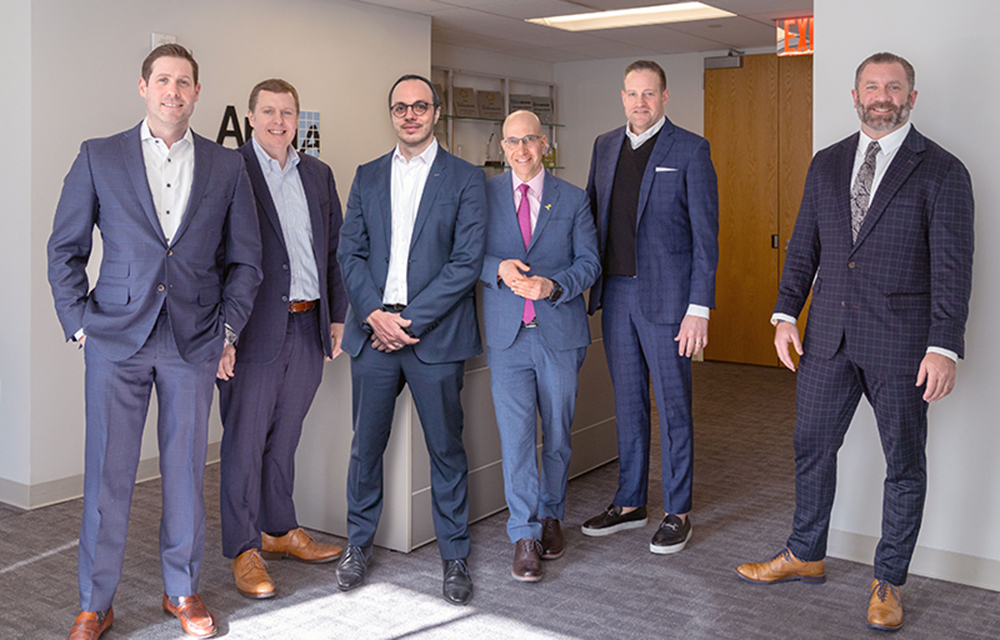
NYC Apartment Management reflects principal Adam Kapner’s ten years of experience managing properties in Manhattan and the Hamptons.
Kapner founded NYC Apartment Management in 2013. It was a natural transition from his prior property management career. Kapner spent ten years refining his skills by managing properties in Manhattan, the Hamptons, and the tri-state area. Kapner most recently worked as the senior property manager of a 250-unit property in Gramercy Park. He managed a staff of ten and directed the marketing initiatives for the properties, and also oversaw construction. During his career managing properties, Kapner averaged an impressive vacancy rate of a mere 1%.
Every landlord, property owner and investor is different. NYC Apartment Management strives to bring excellent results to each of our clients. This is precisely why we offer you a comprehensive service package customized specifically for you. You and your property are unique, and you and your property deserve a management company that takes pride in designing your unique service package.
We Know Your Property is Your Biggest Investment
Co-ops & Condos: We specialize in providing personalized services to smaller properties while maintaining cost-effective pricing. We understand that smaller buildings demand the same level of complex services as large New York City co-ops and condominiums.
Brownstones: We are experts in managing brownstones in historic neighborhoods of Brooklyn and Manhattan. We provide our customary quality services to the unique requirements of New York City’s traditional brownstones.
Rentals: We provide the most efficient and cost-effective method to rent your units for market-value rents. We maximize our long-standing relationships with all major brokerage houses to ensure that your units are quickly rented.
Tags:
Spotlight Content
MORE FROM Spotlight Content

Ones To Watch: Innovators In Commercial Real Estate: Rosalind Tsang, gmp Architekten
Building reuse continues to be one of the most crucial real estate opportunities in every market where our firm gmp is active. Whether in the middle of an established



.png)

Quick Hits


Columns and Thought Leadership

From vacancy to vitality: How adaptive reuse is reshaping Long Island’s CRE landscape - by Andrea Tsoukalas Curto
Adaptive reuse has become one of the most important conversations in commercial real estate today. Long Island has a large inventory of aging retail, office and industrial

2026 Developing Queens: Long Island Board of Realtors advances commercial growth and advocacy in Queens
The Long Island Board of Realtors (LIBOR) Commercial Network continues to play a key role in advancing opportunities and strengthening the commercial real estate landscape across Queens. Through targeted programming and global outreach

CRE Guide Featured Company: Merritt Environmental Consulting Corp.
Merritt Environmental Consulting Corp. (MECC) was established in June of 2009 after being part of a larger engineering firm for almost 20 years. The focus of the company is to assist lending institutions, attorneys, real estate investors, and property owners with environmental concerns. Today, MECC has offices in New York, Florida, and Vermont and has grown into a regional consulting firm serving clients along the East Coast.

2026 Developing Long Island: ERG Commercial Real Estate launches its new Retail Leasing division
North Hempstead, NY ERG Retail Leasing is the dedicated leasing division of ERG Commercial Real Estate, an established full-service commercial real estate brokerage for over 35 years.