



News:
Brokerage
Posted: September 29, 2008
Taking a community to the next level: Retail dev.
Vacant retail and lackluster stores can put a damper on any N.Y.C neighborhood and negatively impact surrounding asset value and residential tenancy. Retail development and re-development can be a stimulant for neighborhood revitalization.
We saw it happen to Harlem's 125th St. corridor in the early 2000s. National retailers, such as H&M, and gourmet markets such as Citarella now make up the landscape. Aided by the Upper Manhattan Empowerment Zone and the promising 125th St. re-zoning, we will continue to witness a roar in Harlem.
Across the East River, Brooklyn's new $150 million retail center, Triangle Junction, with 460,000 s/f, is expected to rejuvenate the Flatbush area. The site is located at the intersection of Flatbush Ave. and Nostrand Ave., with Target as the anchor tenant. Despite the foot traffic and central location of the Flatbush Ave. retail strip, it was frowned upon by most retailers until Target secured its spot on the block. Now, several others including Circuit City & Payless have followed in their footsteps. Local storefront owners were able to achieve substantial rent increases compared to just a few years ago, and now vacancies are sparse. Landlords of surrounding residential buildings believe the recent development will attract a new wave of tenants seeking a full-service community. We are presently marketing a nine-building multifamily portfolio right in proximity of this new development.
Watching N.Y.C. neighborhoods emerge and evolve from substandard to stable is always exciting to witness. Retail development is a key factor in taking communities to the next level, let's see which neighborhood is next.
Christen Portelli is an associate broker at Besen & Associates, Inc., New York, N.Y.
Tags:
Brokerage
MORE FROM Brokerage

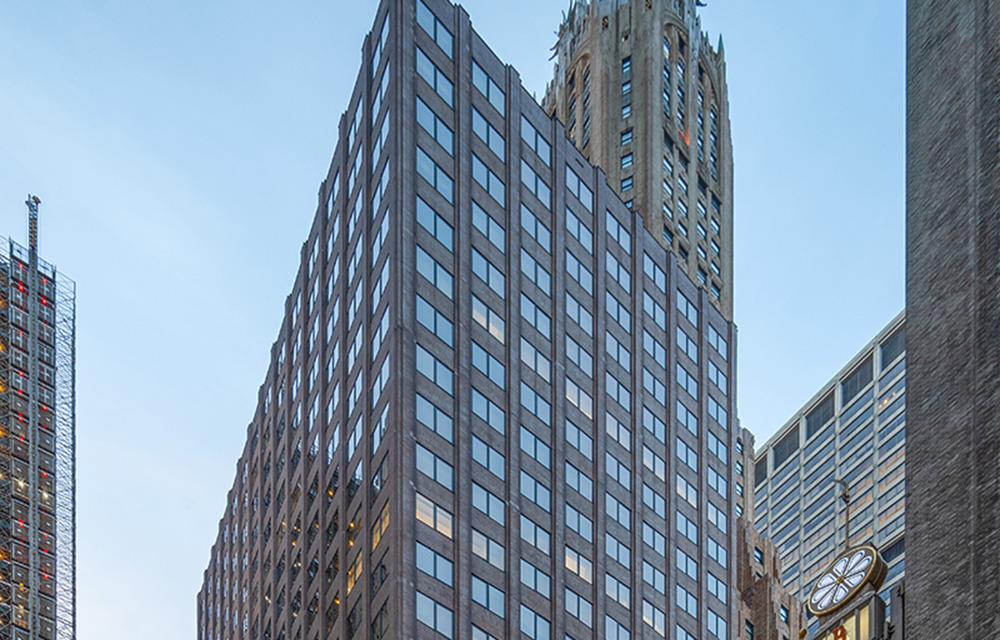
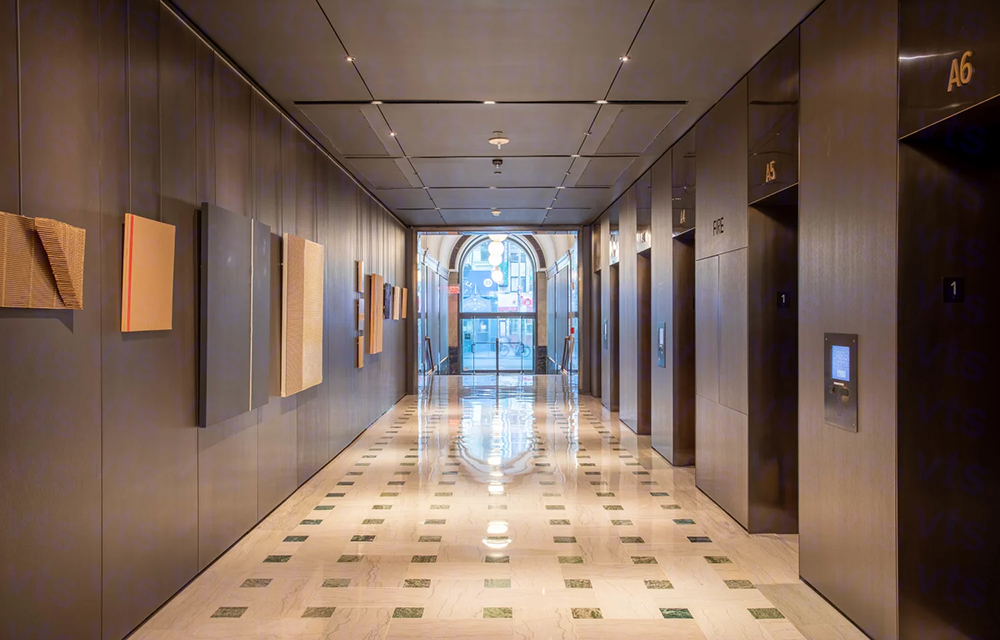
AmTrustRE secures 5,754 s/f lease with GKV Architects at 360 Lexington Avenue
Manhattan, NY AmTrustRE has executed a 5,754 s/f lease at its premier boutique Midtown East office tower, 360 Lexington Ave., with longtime partner GKV Architects. The award-winning firm will occupy a portion of the 14th floor. >“GKV Architects has been a trusted partner to AmTrustRE for over two decades, playing an integral role in shaping and elevating several






Columns and Thought Leadership

A fresh start - by Shallini Mehra and Amit Doshi
For the past several years, the New York City multifamily housing market has been defined by disruption. The combined impact of the HSTPA rent laws and a sharply higher interest rate environment has fundamentally reduced

The death of the generic offering memorandum: What buyers expect in 2025 - by Kimberly Zar Bloorian
There was a time when an offering memorandum (OM) was pretty bare bones, some photos, a few bullet points on income, and a rent roll thrown in at the back. That used to get the job done. Not anymore. In 2025, buyers are sharper, faster, and more selective. They’re looking

The anticipated effect of Basel III and ISO 20022 implementation on commercial real estate - by Michael Zysman
July 1, 2025 is the deadline for US banks to begin to adopt Basel III banking standards and July 14, 2025 is the deadline for U.S. banks to adopt ISO 20022 messaging standards. Both will have a significant effect on the banking and commercial real estate (CRE) finance sectors.

Tri-state capital migrates nationally amid regulation pressure - by Reese Weaver
New York tri-state multifamily investors are increasingly reallocating capital to less-regulated markets across the U.S. as rent control and legislative risk erode returns at home. With over 60% of New York City’s rental housing stock classified as rent-stabilized, the traditional value-add model — buying under-performing buildings,
