



News:
Brokerage
Posted: April 18, 2008
High benefit, low cost green design: Think green at the site selection stage for optimum impact
Developers sometimes shy away from sustainable design when faced with the high costs of the more headline grabbing ways of going green. Alternative energy sourcing, ultra-high efficiency plumbing, green roofs or specialty day lighting systems that give facilities a cathedral-like look all reap financial savings in the long run, but they come with a big financial investment. It doesn't have to be this way. Major sustainable design benefits can be had for a modest price.
All too often I have seen developers seek ways to boost their project's green factor after a site is selected. Like many, they assume that green design begins at the design stage. But once a site is selected, your best options for high benefit, low cost sustainable design are immediately eliminated. In my experience, the one most overlooked (but very essential) step in green design is establishing sustainability goals early when they can still have an impact on the site selection process. This can be done on the basis of an individual site or at a broader corporate level. In either case, bringing environmental and operational considerations into the siting process preserves a range of low cost sustainable design options.
An experienced design team, possibly drawing on the expertise of landscape architects, engineers and environmental specialists, can help identify opportunities for site-based sustainable design solutions. Most of us are familiar with the U.S. Green Building Council's (USGBC) LEED guidelines for site-based sustainable design. These give preference to brownfields or site redevelopment, require setbacks from wetlands, and so forth. The specifics of these can be easily referenced. I'd like to instead focus on the details of a few lesser known techniques, also in the USGBC guidelines, that promote creative solutions for low cost sustainable design at the site selection stage.
Sustainable site selection goes beyond the immediate impacts of the facility itself to consider how its proximity to other facilities and transportation options will affect the commuting options of its users. Placement near a critical mass of public transportation options or the addition of a bike storage room or shuttle service are viable ways to boost the attractiveness of public/alternative transportation. The key is looking beyond brick and mortar to consider how the facility will impact the daily choices and habits of its users: will they have to commute long distances, adding to vehicle emission loads and supporting increased fossil fuel demand? Or will easy access to public/alternative transportation modes persuade them to make more environmentally-friendly choices?
Emphasizing mass transit also opens the door to reduced parking area requirements. Smaller parking lots translate into a smaller overall impermeable surface factor for the site. In some communities, your bill for stormwater treatment is calculated based on the total area of impermeable surfaces at your location - in this case, fewer parking spaces results in reduced stormwater treatment fees.
Prior to selecting a site, have a qualified professional conduct a survey of potential environmentally sensitive areas. These areas have been seen as constraints to development, but within the site selection process these areas can be opportunities for a more cohesive design that benefits the developer and the environment.
Site selection has been looked at from a demographic perspective alone. But the green movement is in full swing around the country, and changing societal attitudes along with processes to quantify sustainability, such as LEED certification, are bringing environmental concerns to the forefront. By integrating environmental considerations into the site selection process early, developers are finding they can reach major sustainable design benchmarks while saving greater time and resources then they ever thought possible.
Nicholas Schwartz, RLA, is the sustainable design project manager at Clough Harbour & Associates, Albany, N.Y.
Tags:
Brokerage
MORE FROM Brokerage

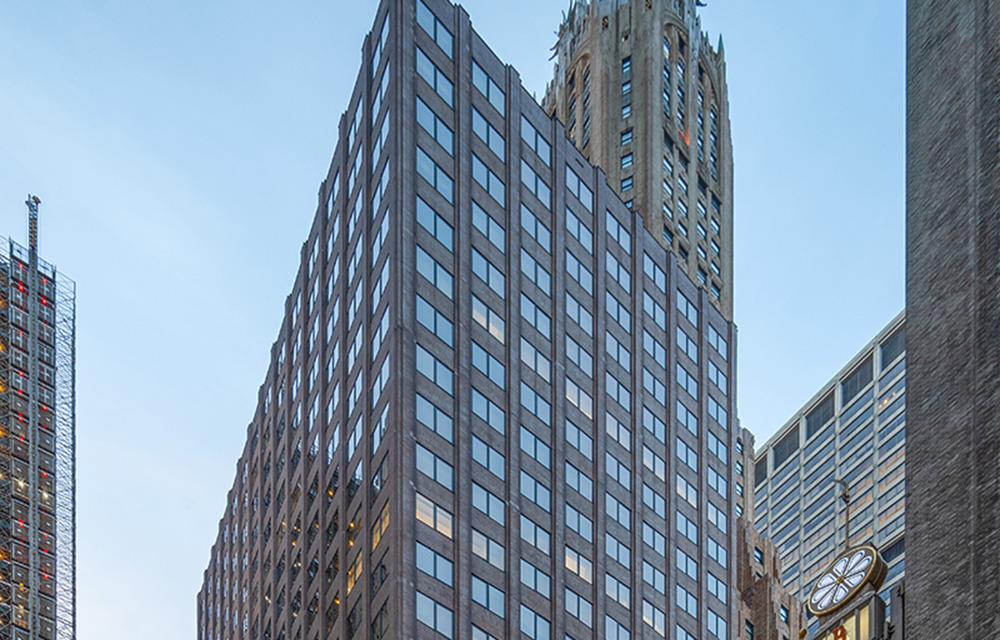
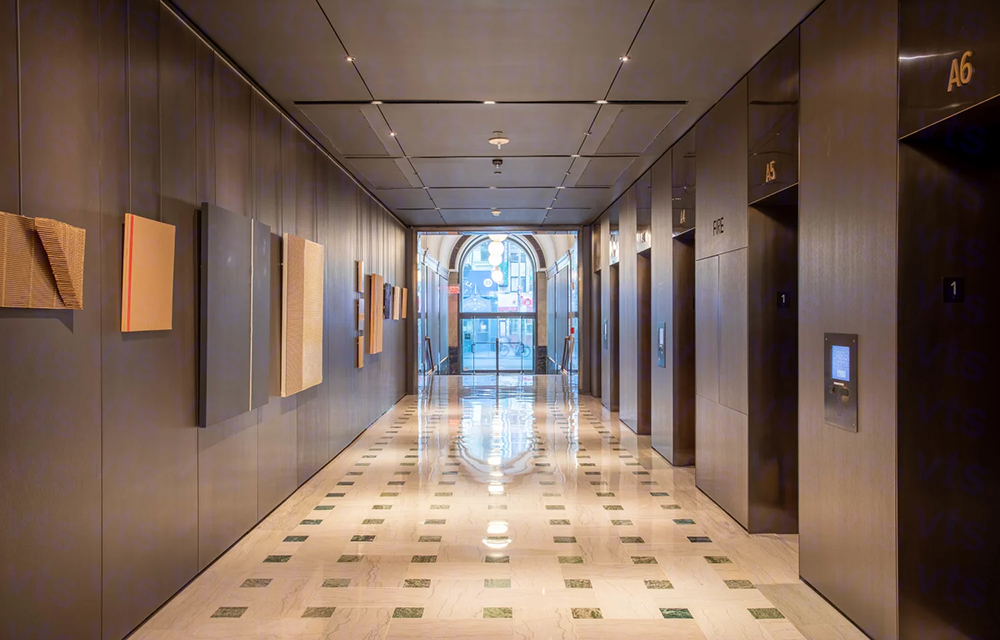
AmTrustRE secures 5,754 s/f lease with GKV Architects at 360 Lexington Avenue
Manhattan, NY AmTrustRE has executed a 5,754 s/f lease at its premier boutique Midtown East office tower, 360 Lexington Ave., with longtime partner GKV Architects. The award-winning firm will occupy a portion of the 14th floor. >“GKV Architects has been a trusted partner to AmTrustRE for over two decades, playing an integral role in shaping and elevating several




Quick Hits

Columns and Thought Leadership

The anticipated effect of Basel III and ISO 20022 implementation on commercial real estate - by Michael Zysman
July 1, 2025 is the deadline for US banks to begin to adopt Basel III banking standards and July 14, 2025 is the deadline for U.S. banks to adopt ISO 20022 messaging standards. Both will have a significant effect on the banking and commercial real estate (CRE) finance sectors.

Tri-state capital migrates nationally amid regulation pressure - by Reese Weaver
New York tri-state multifamily investors are increasingly reallocating capital to less-regulated markets across the U.S. as rent control and legislative risk erode returns at home. With over 60% of New York City’s rental housing stock classified as rent-stabilized, the traditional value-add model — buying under-performing buildings,

A fresh start - by Shallini Mehra and Amit Doshi
For the past several years, the New York City multifamily housing market has been defined by disruption. The combined impact of the HSTPA rent laws and a sharply higher interest rate environment has fundamentally reduced

The death of the generic offering memorandum: What buyers expect in 2025 - by Kimberly Zar Bloorian
There was a time when an offering memorandum (OM) was pretty bare bones, some photos, a few bullet points on income, and a rent roll thrown in at the back. That used to get the job done. Not anymore. In 2025, buyers are sharper, faster, and more selective. They’re looking
